The Cold Chain Behind the Stadium Beer Line
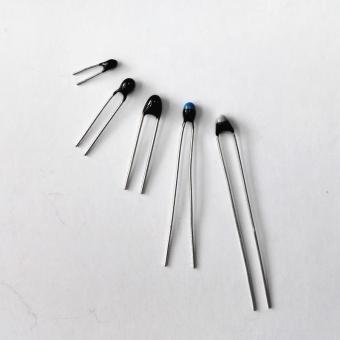
Jul 03, 2026A sold-out stadium is a catering operation the size of a small town, and almost everything it serves has to stay cold from the moment it leaves a warehouse. Break the chain anywhere — a reefer that warms in traffic, a walk-in whose coil iced over, a beer line that lost its chill on the last twenty feet to the tap — and the failure shows up in a warm drink or, worse, a sick fan. The thing holding the chain together is unglamorous: a network of NTC thermistors.
Food safety runs on a hard number. The US FDA Food Code treats roughly 40°F to 140°F (4°C–60°C) as the "danger zone" where bacteria multiply fastest, so perishable food must be held below 40°F. (US FDA Food Code.) That single threshold is why refrigeration isn't comfort engineering here — it's compliance, logged and audited, and the log comes from sensors.
| Stage | Target | Sensing role | Sensor |
|---|---|---|---|
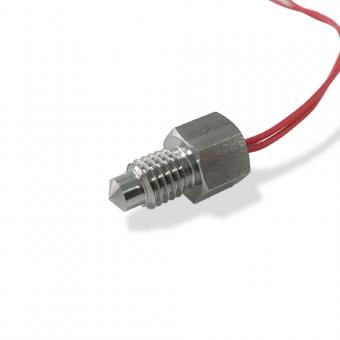
| Refrigerated truck | 34–40°F | Coil + cargo control, logging | Sealed NTC |
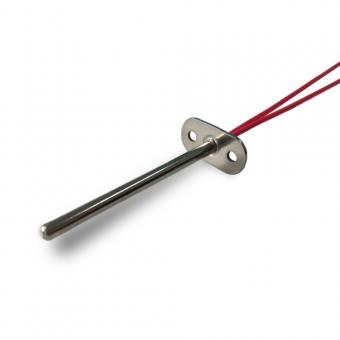
| Walk-in cooler | 34–40°F | Setpoint + defrost termination | NTC ×2 roles |
| Walk-in freezer | 0°F / −18°C | Setpoint + defrost | NTC |
| Ice machine | ~32°F / 0°C | Harvest/cycle | NTC, accuracy near 0°C |
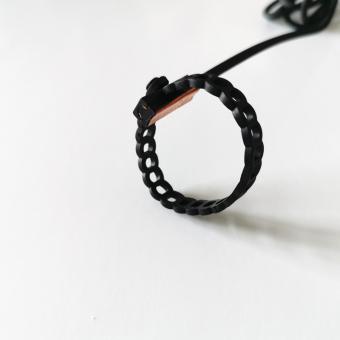
| Beverage line | 36–41°F | Serving-temp check | Pipe-clamp NTC |
A walk-in cooler needs two NTC sensors doing different jobs, and confusing them is a classic field fault. One holds the box setpoint. The other sits on the evaporator coil and ends the defrost cycle once the ice clears. Get the defrost sensor wrong and you fail one of two ways: the coil never fully defrosts and slowly loses capacity, or it defrosts too long and warms the whole box past that 40°F line. The ASHRAE Refrigeration Handbook treats defrost control as a discipline of its own for exactly this reason.
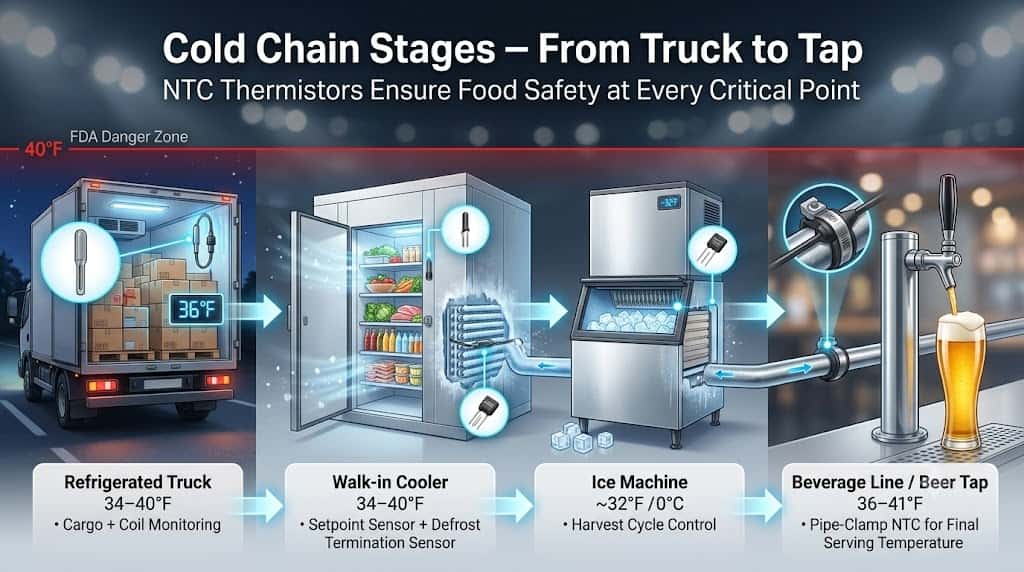
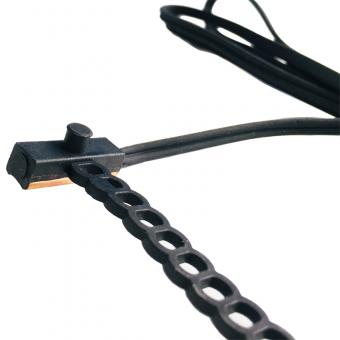
Draft beer is the cold chain's final pipe problem. Product travels from a cold store through long lines kept cold by glycol or a remote chiller, and it has to arrive at the tap at serving temperature — too warm and it foams and goes flat. Because line diameters vary across a venue, this is textbook territory for an adjustable pipe-clamp sensor like the sealed MFE1 overmoulded NTC; the strap-vs-clamp choice is in Article 2.
The vaccine-grade version of this discipline is covered in our cold-chain transport article. For the whole stadium cooling picture, see the pillar; the sensor-type decision is in Article 5.
No.1 XiSan Road, Electromechanical Industry Park , High&New Tech.Zone. Hefei,Anhui,China
tel : +86-551-69109668
Whatsapp : +86-13339100504
e-posta : info@focusens.com
Skype : melodyliu520






 +86-551-69109668